Living across worlds teaches us how fluid identity really is. What felt stable in one country may be questioned in another. Who we are shifts depending on language, customs, expectations — even the way people pronounce our names for example. So when the full moon rose today, it nudged me back to something ancient and steady: the lunar mantras of Chandra Namaskar.
Why not let each full moon be a gateway into one of these sacred sounds?
The first lunar mantra is:
Om Kameshvaryai Namaha
Salutations to the one who fulfills desires
Let that sink in.
Fulfilling desires.
It sounds beautiful… and also a little provocative. Especially if you’ve been raised in a culture (or two) where desire — particularly as a woman — is silenced, judged or misunderstood.
This simple mantra brought me to reflect on the ego — how it forms, how it gets shaped by our environments and how yoga offers a more spacious understanding of it.
Ego as a Companion, Not the Enemy
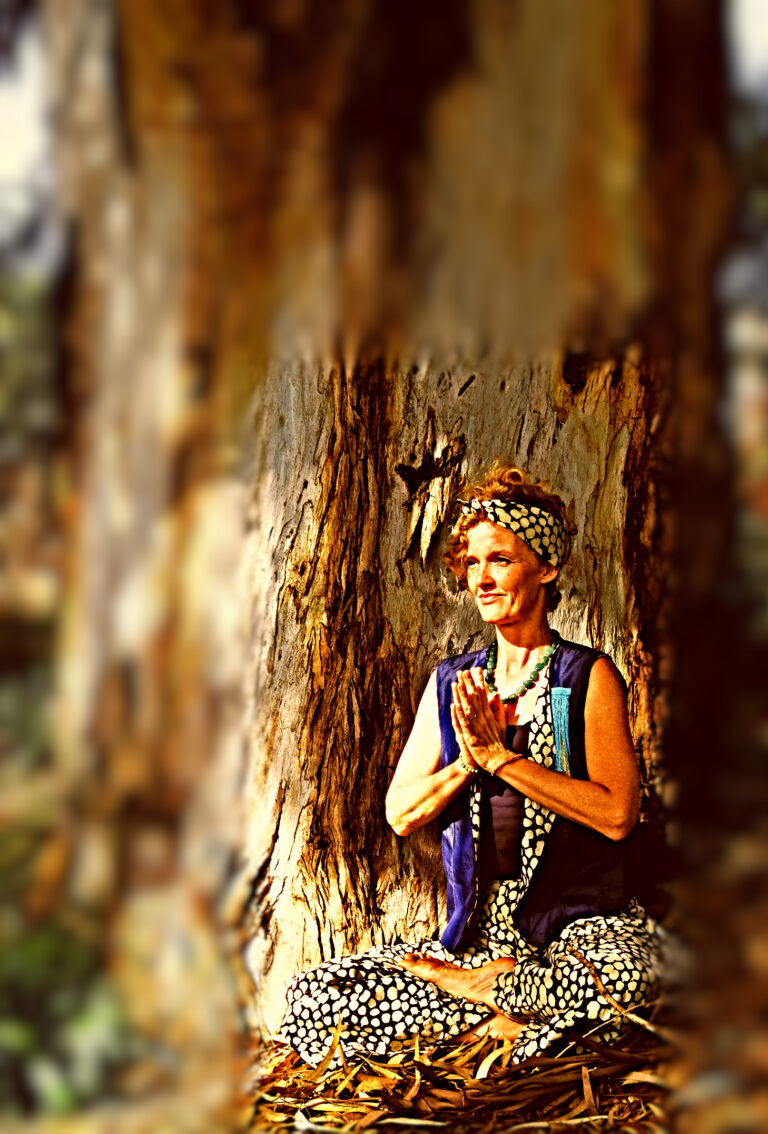
My yoga teacher often says to imagine that your ego is sitting beside you, like a friend — and sometimes, you simply have to gently ask it to be quiet and not take up so much space. A healthy ego allows us to maintain a clear sense of self, but when it becomes imbalanced, it can lead to problems, including excessive self-centeredness.
This by itself is quite a challenge.
In yoga, the mind isn’t the source of awareness—it’s an instrument of it. In Sanskrit, it’s called antah karana, the inner instrument. Through it, we experience the world, reflect, remember, and form a sense of identity. But here’s the turning point: the identity, the “I” we often cling to, is not who we truly are.
The ego (ahamkara—literally, “the I-maker”) is part of the mind, not the soul. It gives us a psychological shape — a self to navigate daily life — but it’s not our deepest self. Yoga reminds us that beneath the noise of “I,” “me,” and “mine” lies something timeless and spacious: pure consciousness (which is a whole topic to dive into and to explore to possibly grasp it!). Eternal. Unshaken. Already whole.
When the ego is in balance, it helps us function. But when it grows too loud, we mistake it for our truth. The practice, then, is not to erase the ego, but to see through it. To soften its grip. To remember that we are not the voice in our head but the awareness behind it.
(Source)
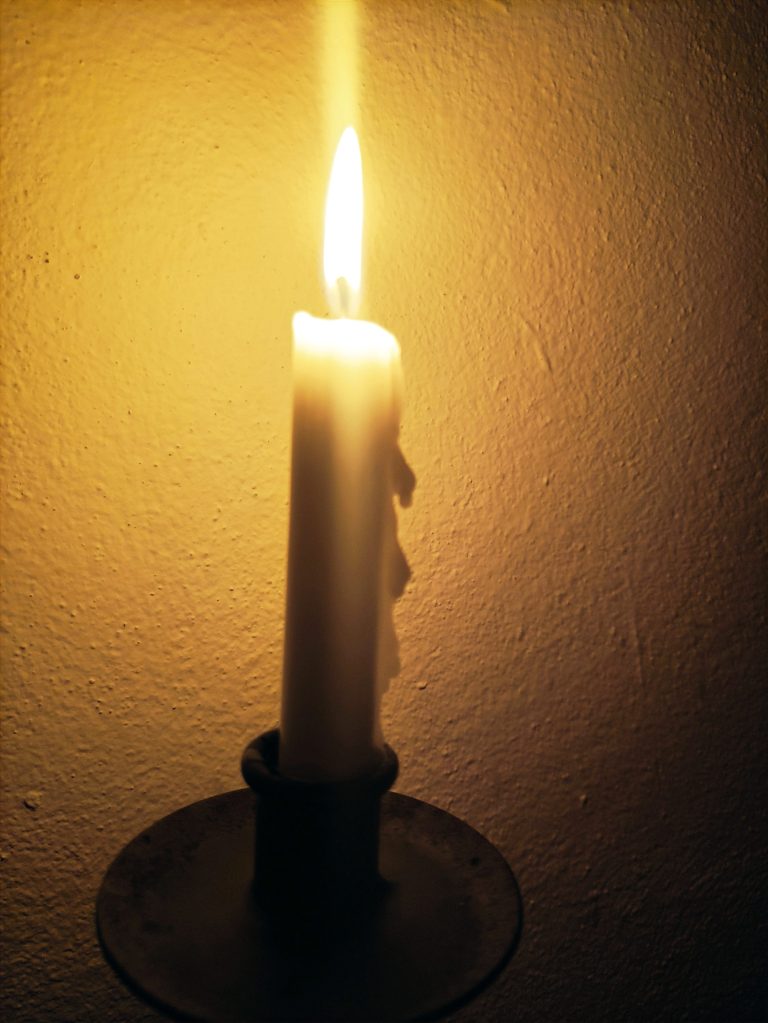
For intercultural women, this perspective can feel like a balm. When your sense of self has been stretched between languages, family systems, expectations or continents, yoga reminds you that who you are is not what others see or label. It is the steady flame behind all the changing winds.
What the Bhagavad Gita Says About Ego
The Bhagavad Gita (13.8–12) adds another layer:
“False ego means accepting this body as oneself. Ego is there. False ego is condemned, but not real ego. This sense of ‘I am’ is ego, but when the sense of ‘I am’ is applied to this false body, it is false ego. There are some philosophers who say we should give up our ego, but we cannot give up our ego, because ego means identity.”
Ego and the Chakras: Desire at Swadhisthana
In the chakra system, ego resides in the second chakra: Swadhisthana, the center of pleasure and desire. This is where many of us, especially women who’ve migrated or grown up between cultures, can feel deep tension.
Desire can be confusing. What do I want for myself, outside of family expectations?
What brings me pleasure in a world that taught me to serve others first?
Can I trust my wants?
Swadhisthana is also where the three gunas — sattva (harmony), rajas (activity), and tamas (ignorance) — shape our emotional and energetic life. At its lower expressions, Swadhisthana can manifest as depression, lack of motivation, or obsessive desires. In balance, it becomes the seat of joy, creativity, and attunement to others.
And here’s the beauty: when the ego is grounded in sattva, it helps us express desires without being controlled by them. We find ourselves rooted — not in cultural validation, not in performance — but in essence and clarity.
This is where Mooladhara (root) and Manipura (energy) meet Swadhisthana. We nourish our essential needs. We ignite our personal fire. And we begin to fulfill desires in alignment with a deeper self, not a fractured one.
So, Salutations to the One Who Fulfills Desires
In sattva.
Take time this full moon to gently ask:
What are my true desires?
How do I express them?
Do they bring me closer to who I really am—or pull me further away?
Let yoga, breath, and reflection guide you back to that deeper “I”—not the one shaped by circumstance, but the one that has always been there, quietly waiting to be remembered.